
Live pods for seahorses: using amphipods in a seahorse tank
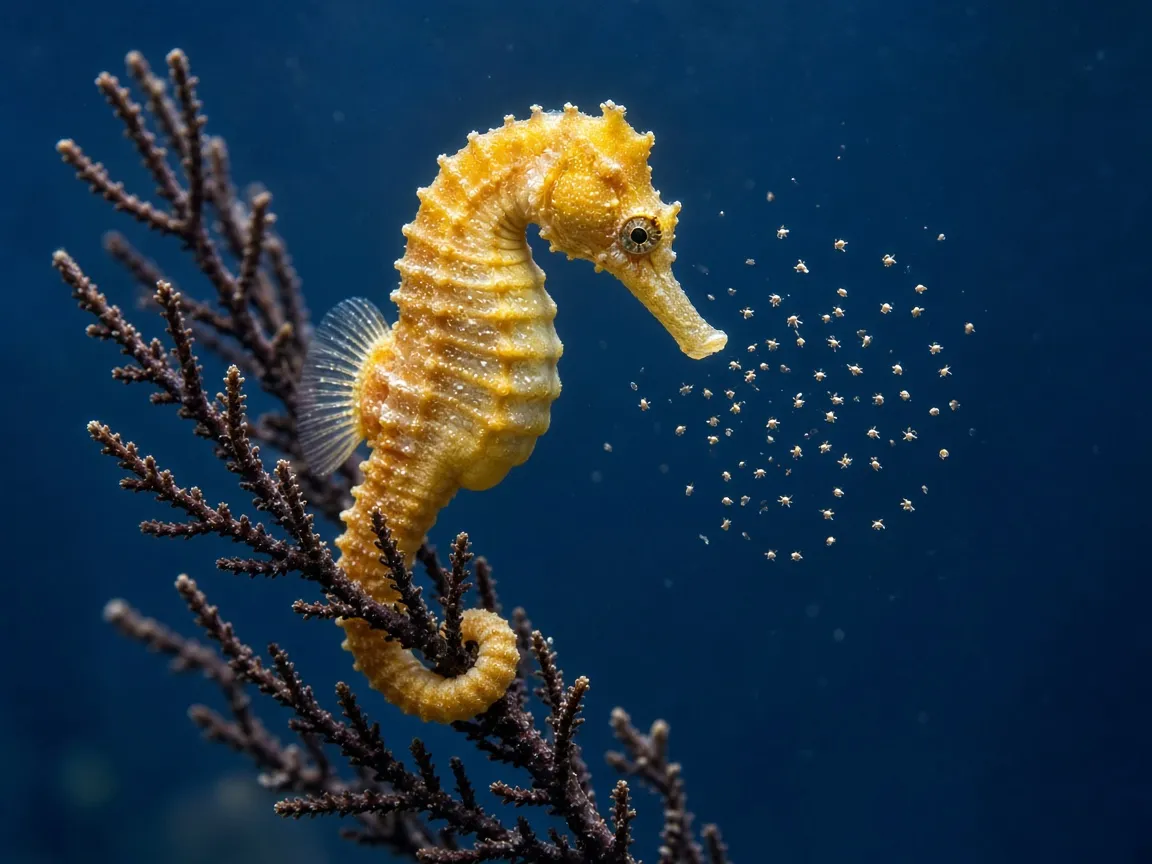
Illustrative image, not a photo of our stock.
Where live pods fit in a seahorse diet
Seahorses (Hippocampus species) have no teeth and no true stomach, so they eat small meals often. In aquariums the staple is usually enriched frozen mysis shrimp. Live foods are typically used as a supplement, a treat or a tool for getting a stubborn seahorse to eat.
Amphipods are a good fit because they are crustaceans, they live on the bottom and on hitching posts where seahorses hunt, and they survive in the tank instead of rotting like uneaten frozen food.
Why live amphipods help seahorses
- Natural hunting. A seahorse snicking pods off a hitching post is behaving like it would in the wild.
- Starter food. Keepers often use live food to encourage a new or stressed seahorse to start feeding.
- Cleanup. Amphipods eat leftover mysis and detritus that would otherwise foul the water.
- Always available. A breeding colony in a refugium or rubble pile provides snacks between feedings.
Feeding seahorses?
The Reef Pack is 300+ live amphipods, enough to feed and seed a seahorse tank.
Pod size for different seahorses
| Seahorse | Pod fit |
|---|---|
| Larger species (for example H. erectus, H. reidi, H. kuda) | Adult and juvenile amphipods are both usable |
| Dwarf seahorse (H. zosterae) | Too small for most adult amphipods; they need very small live prey such as baby brine shrimp or copepods |
| Juvenile seahorses | Best with the smallest pods and other tiny live foods |
Gut-loading pods before feeding
Pods are only as nutritious as what they ate. A few hours before feeding, hold pods in a container of tank water with a small amount of live or bottled phytoplankton or a quality enrichment product. Then feed them to the seahorses with a turkey baster near their favorite hitching posts.
Keeping pods alive in a seahorse tank
Seahorse tanks are usually calm, with gentle flow and few competitors, which makes them friendly to pods. Add some rubble, a bit of macroalgae and a quiet corner, and a portion of your pods will settle in and breed. Avoid aggressive pod-eating tankmates; seahorses are slow eaters and will lose that race.
Keep the pods coming
200+ live amphipods weekly, every 2 weeks or monthly, shipping included.
FAQ
Do seahorses eat amphipods?
Can amphipods be the only food for seahorses?
Are pods safe for a seahorse tank?
Related guides
- Amphipods for mandarin dragonets: how live pods keep a mandarin fed
- How many pods does a mandarin need?
- Pod seeding guide: how to add amphipods to a reef tank
- Amphipods vs copepods: which live pods does your tank need?
- Gammarus, Elasmopus and Parhyale: amphipod species in reef tanks
- How to culture amphipods at home
- Live pods in Florida: Florida-cultured amphipods, shipped to your door
- How long do amphipods live in a reef tank?
- Are amphipods reef safe?
- Amphipods for a nano reef: keeping pods alive in a small tank
- Pods for a refugium: how to grow amphipods in your sump
- How to keep live pods alive after shipping
- Shipping live pods in winter: will amphipods survive the cold?
- How much do live pods cost?
- What fish eat amphipods?