
Pod seeding guide: how to add amphipods to a reef tank
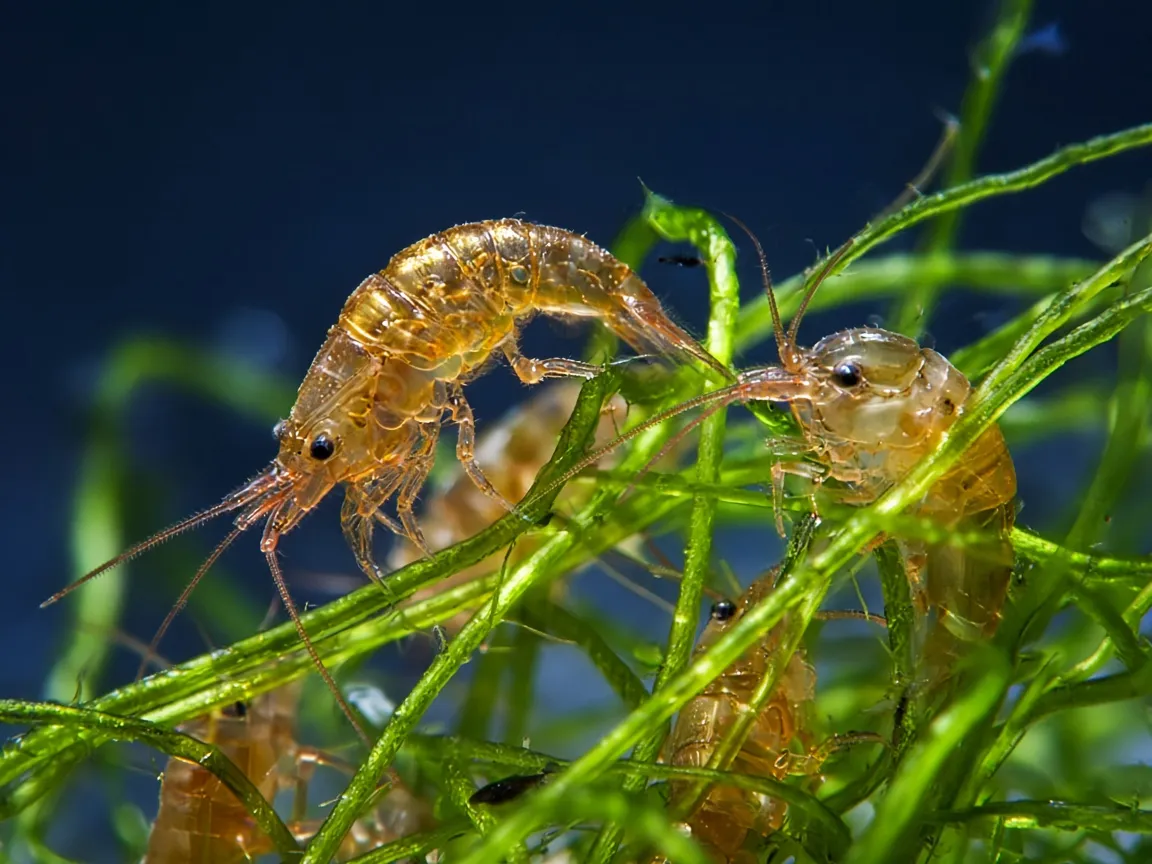
Illustrative image, not a photo of our stock.
Short answer: float the bag to match temperature, drip-acclimate if salinity differs, then release pods after lights out directly into rockwork and the refugium with the return and powerheads paused for 15 to 30 minutes. Seed the refugium first so pods can breed safely.
On this page
Prepare before the box arrives
- Check that your tank salinity and temperature are stable.
- Have a clean cup, a turkey baster and an airline drip line ready.
- Plan to release after lights out, when fish are least active.
- If you have a refugium, make sure the macroalgae is healthy and the area is dark-cycle friendly.
Step-by-step pod seeding
- Open promptly. Open the box in a dim room as soon as it arrives.
- Float. Float the sealed bag in your sump or display for 15 to 20 minutes to match temperature.
- Match salinity. If your salinity differs from the bag, drip or add small amounts of tank water to the bag over 20 to 30 minutes. Amphipods are generally hardy, but gradual is safer.
- Pause flow. Turn off powerheads and the return pump. Turn off the skimmer if pods will pass through the sump.
- Release low. Use a turkey baster to place pods directly into rock crevices, rubble and macroalgae, not into open water where fish will pick them off.
- Wait. Leave pumps off for 15 to 30 minutes so pods can find cover, then restart everything. Do not forget the skimmer.
Ready to seed?
300+ live amphipods to split between display and refugium.
Split the portion: refugium vs display
If you have a refugium, put at least half the pods there. It is a predator-free nursery that keeps exporting young pods to the display. Put the rest in the display rockwork, close to where your mandarin or seahorse hunts.
After seeding
- Feed the pods lightly with phytoplankton or a pinch of crushed flake in the refugium a few times a week.
- Avoid running a UV sterilizer or strong filter socks right after seeding if you can.
- Do the night flashlight test after two weeks.
- Reseed every few weeks while the population builds, or set up a pod subscription.
Common seeding mistakes
Avoid: dumping pods into high flow with the lights on, leaving the skimmer running when pods go to the sump, adding pods to a brand new tank with nothing to eat, and forgetting to restart the return pump.
Keep the pods coming
200+ live amphipods weekly, every 2 weeks or monthly, shipping included.
FAQ
Should I add pods with the lights off?
Yes. Releasing after lights out gives pods time to hide before fish start hunting.
Do I need to acclimate amphipods?
Float for temperature and match salinity gradually if it differs. Amphipods are generally hardy, but gradual changes are safer.
Can I add pods to a new tank?
Pods need something to eat, such as film algae and detritus. Most keepers seed once the tank has cycled and has some growth on the rock.
Related guides
- Amphipods for mandarin dragonets: how live pods keep a mandarin fed
- How many pods does a mandarin need?
- Live pods for seahorses: using amphipods in a seahorse tank
- Amphipods vs copepods: which live pods does your tank need?
- Gammarus, Elasmopus and Parhyale: amphipod species in reef tanks
- How to culture amphipods at home
- Live pods in Florida: Florida-cultured amphipods, shipped to your door
- How long do amphipods live in a reef tank?
- Are amphipods reef safe?
- Amphipods for a nano reef: keeping pods alive in a small tank
- Pods for a refugium: how to grow amphipods in your sump
- How to keep live pods alive after shipping
- Shipping live pods in winter: will amphipods survive the cold?
- How much do live pods cost?
- What fish eat amphipods?