
Amphipods for mandarin dragonets: how live pods keep a mandarin fed
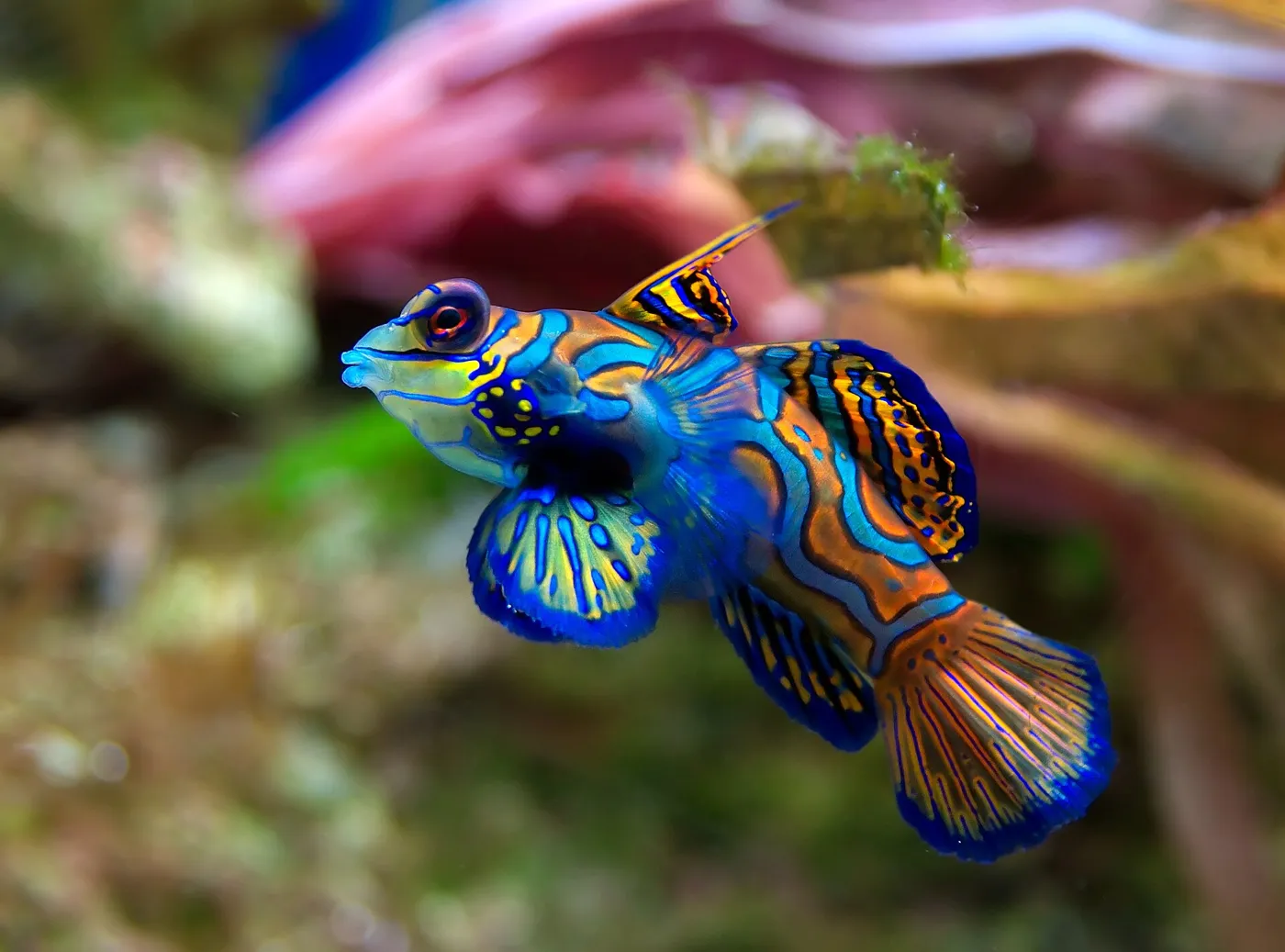
Photo: see image credits.
Why mandarins depend on live pods
The mandarin dragonet (Synchiropus splendidus) and its cousin the spotted mandarin (Synchiropus picturatus) are slow, deliberate grazers. Instead of chasing food in the water column, they hover over rock and sand and pick off tiny animals one at a time, from dawn until the lights go out. In the wild that means a near endless buffet of copepods, amphipods and other small crustaceans living on reef rubble.
In an aquarium the same behavior continues, but the buffet is only as big as your tank's pod population. A mandarin that looks fat and active in month one can slowly thin out by month four if the rock has been grazed bare. That slow decline is the most common way mandarins are lost, and it is almost always a food supply problem rather than a disease.
Some captive-bred mandarins learn to take frozen foods, which helps a lot. Even those fish keep hunting the rock all day, so a living pod population is still the best insurance.
Where amphipods fit next to copepods
Copepods are smaller, more numerous and the main food most mandarin keepers talk about. Amphipods are larger, shrimp-shaped crustaceans, usually a few millimeters long as adults, that hide in rock crevices, macroalgae and sand by day and come out at night.
- Juvenile amphipods are bite-sized for a mandarin, and a breeding amphipod colony produces a steady stream of them.
- Adult amphipods may be too big for a small mandarin to swallow, but they keep breeding in the rock and refugium, which is exactly what you want.
- Both groups graze detritus, film algae and leftover food, so they also act as a cleanup crew.
The practical takeaway: seed both. Copepods for constant small prey, amphipods for a hardy, self-renewing population that turns leftovers into baby pods. Our amphipods vs copepods guide goes deeper.
Feeding a mandarin?
The Mandarin Pack is 500+ live amphipods and ships free.
Before you add a mandarin
- Give the tank time. Many experienced keepers wait until a reef has been running for several months, with plenty of live rock, before adding a mandarin.
- Seed early. Add live pods weeks before the fish arrives so the population can breed without a predator.
- Add a refugium if you can. A refugium with macroalgae such as chaetomorpha gives pods a safe nursery that fish cannot reach.
- Check the competition. Wrasses, some gobies, dottybacks and other mandarins all eat pods too. More pod eaters means faster depletion.
How often to restock pods
There is no universal schedule, because every tank produces pods at a different rate. A useful rule of thumb is to watch the glass and rock with a flashlight about an hour after lights out. If you see pods moving on the rock and glass, the population is holding. If you only see a few, or none, restock and consider adding a refugium.
Many mandarin keepers restock on a schedule anyway, because it is cheaper than losing the fish. That is why we built the pod subscription: 200+ live amphipods every week, every two weeks or every month, with shipping included.
Signs your mandarin is not getting enough
Keep the pods coming
200+ live amphipods weekly, every 2 weeks or monthly, shipping included.
FAQ
Do mandarin dragonets eat amphipods?
Are amphipods too big for a mandarin?
Can I keep a mandarin without a refugium?
Related guides
- How many pods does a mandarin need?
- Live pods for seahorses: using amphipods in a seahorse tank
- Pod seeding guide: how to add amphipods to a reef tank
- Amphipods vs copepods: which live pods does your tank need?
- Gammarus, Elasmopus and Parhyale: amphipod species in reef tanks
- How to culture amphipods at home
- Live pods in Florida: Florida-cultured amphipods, shipped to your door
- How long do amphipods live in a reef tank?
- Are amphipods reef safe?
- Amphipods for a nano reef: keeping pods alive in a small tank
- Pods for a refugium: how to grow amphipods in your sump
- How to keep live pods alive after shipping
- Shipping live pods in winter: will amphipods survive the cold?
- How much do live pods cost?
- What fish eat amphipods?